
Understanding Trauma and PTSD
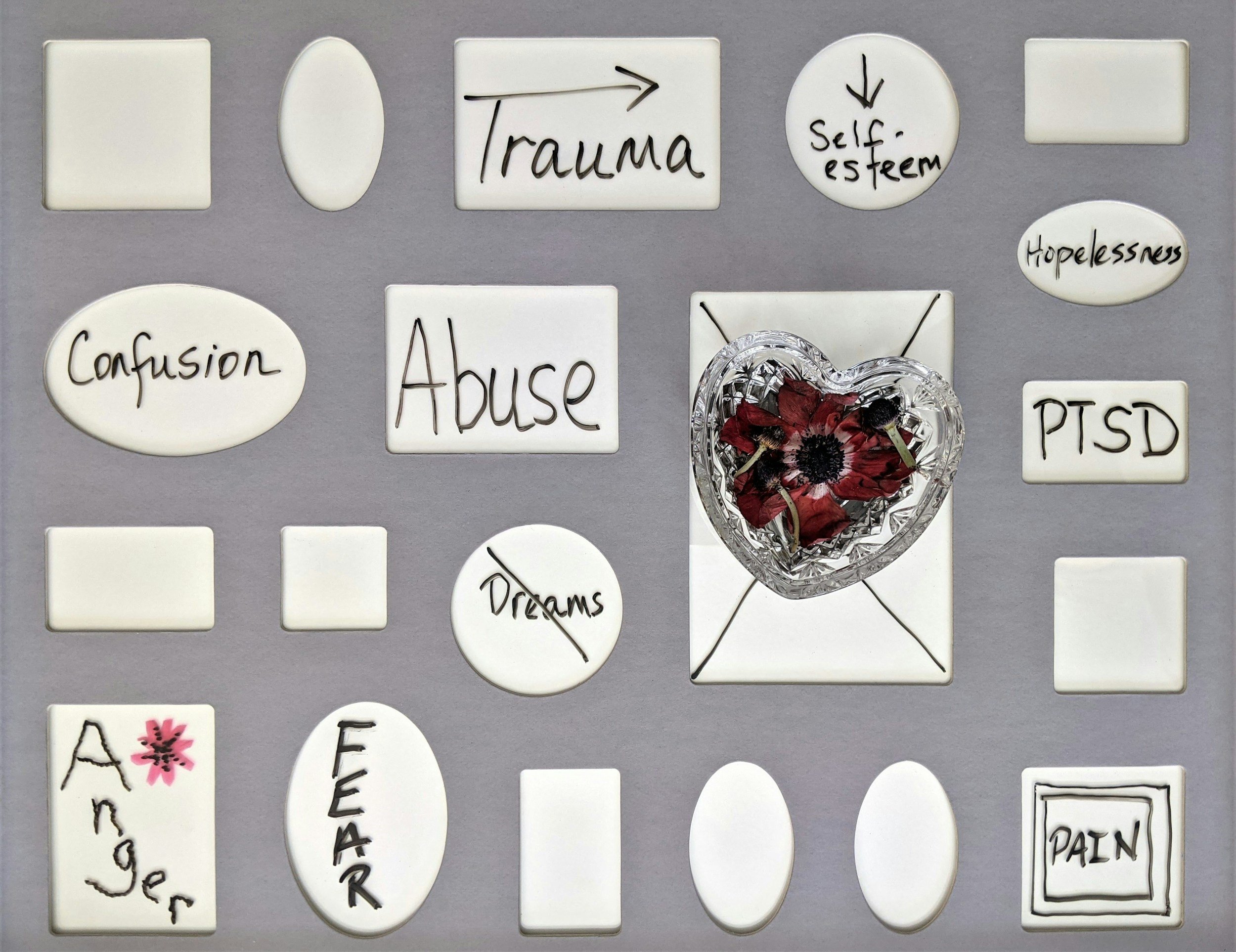
Understanding Trauma and PTSD
Most people will experience at least one traumatic event in their lifetime. Trauma can happen after situations like accidents, abuse, medical emergencies, natural disasters, loss, violence, or other overwhelming experiences. What makes something traumatic isn’t just the event itself — it’s how the experience affects your sense of safety and your nervous system.
After something frightening or distressing happens, it’s normal to feel shaken, emotional, or on edge for a while. For some people, though, those reactions don’t fade. When symptoms continue and interfere with daily life, it may be post-traumatic stress disorder (PTSD).
What Trauma Can Feel Like
Trauma doesn’t just live in your memories — it can show up in your body, thoughts, emotions, and behaviors.
Some common responses include:
Feeling jumpy or easily startled
Trouble sleeping or having nightmares
Intrusive memories or flashbacks
Avoiding reminders of what happened
Feeling numb, disconnected, or “shut down”
Irritability, anger, or mood swings
Difficulty concentrating
Feeling constantly on guard or unsafe
You don’t have to go through a life-threatening event to experience trauma. Ongoing stress, emotional neglect, or repeated difficult experiences can also have lasting effects.
What Is PTSD?
PTSD is a mental health condition that can develop after experiencing or witnessing trauma. It involves a combination of symptoms that generally fall into four categories:
Re-experiencing symptoms, like flashbacks or nightmares
Avoidance of reminders of the trauma
Changes in mood and thinking, such as guilt, shame, or feeling detached
Heightened arousal, including being easily startled or always “on edge”
PTSD is not a sign of weakness. It’s your brain and body trying to protect you after something overwhelming.
Why Trauma Affects the Body and Brain
When we experience danger, our nervous system switches into survival mode — often called fight, flight, freeze, or fawn. This response is meant to keep us safe in the moment. But after trauma, the body can stay stuck in that alert state, even when the danger has passed.
This can lead to feeling tense, anxious, emotionally numb, or easily overwhelmed. Understanding this can help people see that their reactions make sense — their system is trying to cope, not failing.
Healing Is Possible
Recovery from trauma doesn’t mean forgetting what happened. It means learning how to feel safe again in your body and daily life. Therapy can help people process what they’ve been through, reduce symptoms, and build coping tools.
Approaches that may help include trauma-focused talk therapy, EMDR, mindfulness-based strategies, and body-based techniques that calm the nervous system. Healing takes time, and it often happens in small steps.
You Are Not Alone
Trauma can make people feel isolated or different from everyone else. In reality, trauma responses are human responses. With the right support, people can regain a sense of control, connection, and hope.
If you’ve been through something difficult and still feel its effects, reaching out for support can be an important step toward healing.
Sources
National Institute of Mental Health (NIMH) — Post-Traumatic Stress Disorder
American Psychological Association (APA) — Understanding Trauma
Substance Abuse and Mental Health Services Administration (SAMHSA) — Trauma and Violence
U.S. Department of Veterans Affairs — PTSD: National Center for PTSD